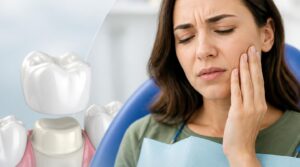

Your jaw is working overtime while you sleep—clenching up to 250 pounds of force without you even knowing it. That’s the silent damage of night bruxism, slowly wearing down your enamel, straining your jaw joints, and setting you up for chronic pain that could last years. Every night you ignore those morning jaw pain symptoms or that unexplained headache, you’re letting permanent damage build up. At Meridian South Family Dentistry in Graham and Puyallup, we’ve helped countless patients break free from this cycle and reclaim their oral health.
Teeth grinding at night affects roughly 8-10% of adults, but most don’t realize they’re doing it until real damage shows up. This guide covers why grinding teeth while sleeping happens, how to spot it early, and what actually works to prevent teeth grinding.
What Is Teeth Grinding at Night?
Bruxism is the clinical name for unconscious teeth grinding or clenching. Sleep bruxism is tricky because you’re totally unaware it’s happening. Unlike daytime grinding that you might catch yourself doing, grinding teeth while sleeping happens during specific sleep stages, particularly lighter phases of non-REM sleep.
The force is staggering; your jaw muscles can generate crushing pressure that would make you wince if you were awake. At our Graham and Puyallup locations, we regularly see patients shocked to learn they’ve been grinding for years based on the tooth damage from grinding we spot during checkups.
THE HIDDEN COST OF IGNORING BRUXISM:
One year of untreated nighttime grinding = Same wear as 10+ years of normal chewing
Why Teeth Grinding Happens at Night
Night bruxism usually comes from multiple factors working together. Here’s what typically triggers it:
1. Stress and Anxiety
Your brain keeps processing the day’s stress while you sleep, and for many people, that shows up as jaw clenching at night. Stress-induced teeth grinding is the number one cause we see. Work deadlines, money worries, relationship issues; all of it creates jaw muscle tension that keeps grinding away after you’ve “switched off” for the night.
2. Sleep Disorders (Sleep Apnea, Poor Sleep Quality)
Sleep disorders and bruxism are closely linked. When your airway gets partially blocked during sleep apnea, your jaw may grind trying to open the passage. Poor sleep from any source, such as a bad mattress, irregular schedule, or noise, can trigger grinding teeth while sleeping.
3. Misaligned Teeth or Bite Problems
When your teeth don’t fit together right, your jaw muscles work overtime to find a comfortable spot. Bite correction through treatments like Invisalign (which we offer) can sometimes fix the problem at the root.
4. Caffeine, Alcohol, and Smoking
Your evening habits matter. Caffeine and alcohol effects on sleep are real; caffeine messes with deep sleep, while alcohol fragments sleep quality. Nicotine keeps your nervous system fired up, increasing bruxism episodes.
5. Medications and Lifestyle Factors
Some antidepressants (especially SSRIs) are linked to higher bruxism risk. If you’ve noticed grinding teeth while sleeping after starting new meds, talk to your doctor. Late-night exercise and too much screen time before bed don’t help either.
Signs and Symptoms of Nighttime Teeth Grinding
Catching bruxism early saves you from serious problems later. Watch for these signs:
1. Jaw Pain or Stiffness
Waking up feeling like you’ve been chewing rocks? That morning jaw pain is usually the first warning sign. It might fade during the day, but it comes back every morning; classic night bruxism.
2. Worn or Cracked Teeth
Worn teeth enamel sneaks up on you. Most patients don’t notice flattened surfaces, tiny chips, or crack lines until we point them out. That’s tooth damage from grinding, not normal wear.
3. Headaches, Especially in the Morning
Headaches from teeth grinding feel like tension headaches at your temples. The constant muscle work radiates pain from your jaw upward. People often take pain meds without realizing it’s actually a dental issue.
4. Tooth Sensitivity
When grinding wears through enamel, the sensitive layer underneath gets exposed. Suddenly, hot coffee or cold water hurts. This tooth sensitivity usually means advanced enamel wear.
5. Ear Pain Without Infection
Your jaw joint sits super close to your ear canal, so TMJ pain from jaw clenching at night can feel like an earache. No infection? Bruxism might be why.
How Teeth Grinding at Night Affects Oral Health
Let’s be real: bruxism is destructive if you ignore it. Once you grind through enamel, it’s gone forever. Your body can’t make more. At Meridian South Family Dentistry, we help Tacoma and Puyallup area patients fix damaged teeth, but prevention is way better.
The excessive grinding forces can cause gum recession, exposing roots and raising decay risk. Chronic jaw clenching at night also beats up your jaw joint, leading to TMD, a painful condition with clicking, popping, and limited movement.
How to Stop Grinding Teeth at Night
The right bruxism treatment depends on what’s causing yours, but these work for most people:
- Custom Night Guard: A professionally fitted night guard for teeth grinding puts a barrier between your teeth. Custom guards from our offices fit perfectly for real protection and comfort. This is not the case with drugstore versions.
- Stress Management: Yoga, deep breathing, and meditation are all great relaxation techniques that help stop stress-induced teeth grinding. It makes a difference to do it, even just 10 minutes before bed.
- Better Sleep Habits: Following the same bedtime routine every night signals to your body that it’s time to wind down. The basics work: sleep at the same time every night, no screens for an hour before bed, and a cool, dark room.
- Fix Underlying Issues: Treating sleep disorders often stops the grinding. Same with bite correction through orthodontics if your teeth alignment is the problem.
- Lifestyle Changes: Cut caffeine and alcohol effects by avoiding both after 2 PM. Skip the gum too—it trains your jaw to work harder.
- Jaw Exercises: Gentle stretches and massage help relax tense muscles. We can show you specific ones that work.
| Quick Relief Strategy | How It Helps |
| Warm compress before bed | Relaxes jaw muscle tension |
| Chamomile tea | Better sleep quality, less stress |
| Jaw massage (2-3 min) | Releases tension |
| Conscious jaw position | Trains relaxation (lips together, teeth apart) |
Home Remedies to Reduce Teeth Grinding at Night
These home remedies for bruxism work alongside professional care:
- Apply heat to your jaw twice daily to ease jaw muscle tension
- Keep your lips together but teeth apart during the day
- Skip gum—it overworks jaw muscles
- Try calming teas (chamomile, valerian, lavender)
- Journal about stress to spot patterns
- Avoid hard, chewy foods
- Use lavender aromatherapy before bed
When to See a Dentist or Doctor
Schedule dental checkups for bruxism if you’ve got morning jaw pain more than twice a week, new tooth sensitivity, regular headaches, visible worn teeth enamel, TMJ pain, or a partner who hears you grinding.
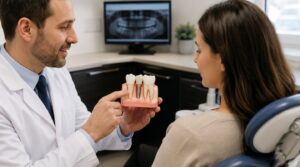
At Meridian South Family Dentistry, we evaluate symptoms, check for damage, and recommend the right bruxism treatment options. Early action prevents bigger problems and keeps your healthy teeth protected.
Can Teeth Grinding Be Prevented?
You can’t always completely prevent teeth grinding, especially with sleep disorders or certain meds involved. But you can seriously cut down the damage through smart stress management, good sleep habits, regular dental visits, and limiting stuff like excessive caffeine.
Protecting Your Smile Starts Tonight
Teeth grinding at night quietly damages your oral health, but knowing the causes, stress-induced teeth grinding, sleep disorders, and bite issues, puts you in control. Whether it’s morning jaw pain, tooth sensitivity, or headaches from teeth grinding, real teeth grinding solutions exist, and they work.
At Meridian South Family Dentistry, protecting your smile is what we do. Our Graham and Puyallup team offers thorough evaluations, custom mouthguards, and personalized bruxism treatment plans built around your specific needs. We’ve spent over 40 years serving Pierce County, Tacoma, Puyallup, and the surrounding areas, and we know exactly how to help you stop grinding teeth while sleeping and keep healthy teeth for life.
Ready to wake up without pain? Call us at 253-847-4388 to schedule your consultation. We’ll create a treatment plan that actually addresses what’s going on and helps you get restful sleep with a protected smile.