Most people brush twice a day, floss occasionally, and assume their teeth are fine; until one day, they’re not. The truth is, dental health doesn’t decline overnight. It sends quiet signals that most of us miss or dismiss as “normal.” By the time pain shows up, the damage has already set in. Tooth decay, gum disease, and tooth loss don’t announce themselves loudly; they creep in through ignored warning signs.
That’s where Meridian South Family Dentistry steps in—we’ve been helping patients in Tacoma, Graham, and Puyallup, WA, catch these problems early, before they cost you your smile.
This guide breaks down everything you need to know about healthy vs unhealthy teeth. We’ll show you the real differences, the warning signs hiding in plain sight, and what you can do right now to protect your oral health.
What Are Healthy Teeth?
Healthy teeth aren’t just about looking good in photos. They’re about function, comfort, and overall well-being. When your teeth and gums are truly healthy, everything from eating to speaking happens without a second thought.
Let’s see what healthy teeth characteristics really look like.
Signs Your Teeth Are Healthy
1. Strong Enamel
Your tooth enamel is the first thing that protects your teeth. When it’s strong, it keeps bacteria, cavities, and sensitivity at bay. There should be no cracks or rough patches on healthy enamel; it should look smooth and slightly see-through.
2. Pink, Firm Gums
Healthy teeth and gums go together. Your gums should be tight around each tooth, pink, and firm. They shouldn’t bleed when you brush or floss.
3. No Pain or Sensitivity
Drinking cold water or enjoying hot soup shouldn’t make you wince. If it does, that tooth sensitivity is trying to tell you something’s off underneath the surface.
4. Fresh Breath
When your breath feels fresh all day long, it indicates that bacteria in your mouth are balanced. But if you’ve got bad breath that sticks around no matter what, it’s usually plaque buildup, gum disease, or cavities you can’t see yet.
5. Stable Bite
Your healthy teeth should remain in their place and feel solid. If they’re starting to shift around or wobble when you chew, that’s a problem.
REALITY CHECK: White teeth don’t always mean healthy teeth. You can have a bright smile and still be dealing with serious problems underneath. Color ≠ Health.
What Are Unhealthy Teeth?
Unhealthy teeth show symptoms that many people write off as quirks or minor annoyances. But ignoring these unhealthy teeth symptoms is like ignoring the check engine light in your car; it only gets worse.
Here’s what actually signals trouble.
Common Signs of Unhealthy Teeth
1. Tooth Pain or Sensitivity
If you wince when you have hot coffee or ice cream, that’s tooth sensitivity telling you something’s up. It could be enamel erosion, cavities, or exposed roots.
2. Bleeding or Swollen Gums
Bleeding gums are never normal, not even if you “just started flossing again.” Swollen gums that look red and puffy are classic gum disease symptoms.
3. Cavities and Discoloration
Dark spots, white patches, or visible holes are tooth decay signs you can’t ignore. Sometimes cavities hide under the surface before you even feel them.
4. Bad Breath
If brushing and mouthwash don’t fix it, bad breath causes usually trace back to bacteria, plaque, and tartar buildup, or gum disease.
5. Loose or Shifting Teeth
Loose teeth in adults mean serious bone or gum problems. Receding gums expose roots and create pockets where bacteria multiply.
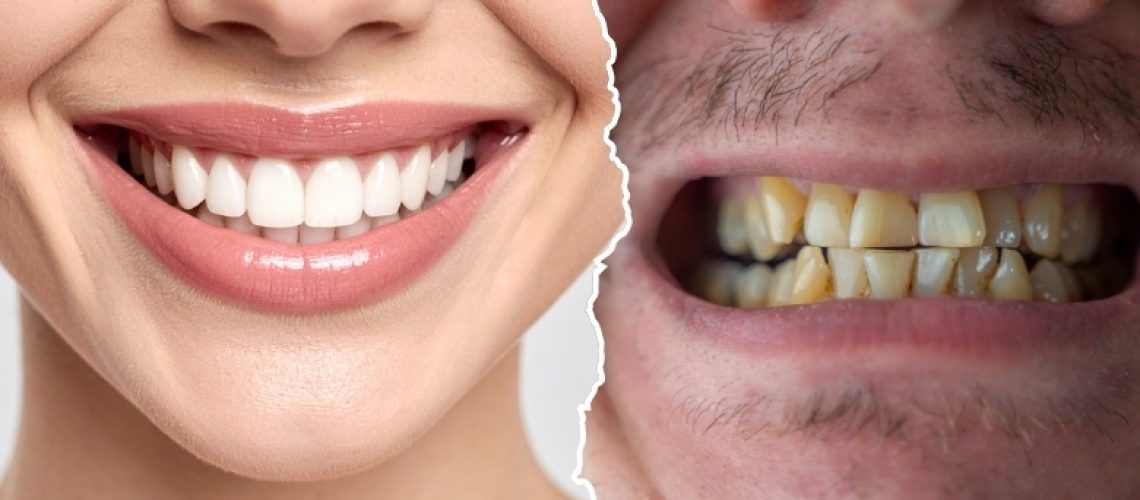
Healthy Teeth vs Unhealthy Teeth – Key Differences
| Healthy Teeth | Unhealthy Teeth |
| Strong, smooth tooth enamel | Worn, cracked, eroded enamel |
| Pink, firm gums | Red, swollen gums, bleeding gums |
| No tooth sensitivity | Persistent pain or sensitivity |
| Fresh breath | Chronic bad breath |
| Firmly rooted | Loose teeth, shifting |
WHAT MOST PEOPLE MISS: Gums that bleed “just a little” during brushing aren’t tough gums—they’re sick gums.
Early Warning Signs Most People Ignore
At Meridian South Family Dentistry, we’ve noticed patterns. People come in thinking everything’s fine, then we find early signs of dental problems they’ve been living with for months.
Watch for these:
- Gums bleeding occasionally
- Rough spots your tongue keeps finding
- Teeth looking slightly longer (that’s receding gums)
- Food is getting stuck in the same spots
- Morning jaw soreness from grinding
These aren’t “getting older” symptoms. They’re your mouth asking for help before unhealthy teeth symptoms take over.
What Causes Teeth to Become Unhealthy?
Poor oral hygiene leads the pack. Skip brushing or flossing, and plaque buildup hardens into tartar within days. That’s when tooth decay and gum disease move in.
Your diet matters. Sugary and acidic foods feed harmful bacteria and strip away tooth enamel health. Constant snacking keeps your mouth under attack all day.
Dry mouth—from medications, health conditions, or mouth breathing—reduces the saliva that naturally cleanses your teeth.
Tobacco use accelerates gum disease and tooth decay faster than you’d think.
Skipping dental checkups lets small problems grow into big ones. Cleaning by a professional removes plaque and tartar buildup that brushing alone can’t touch.
How to Keep Your Teeth Healthy
Maintaining healthy teeth and gums isn’t complicated, but it does require consistency.
- Brush two times daily with fluoride toothpaste for two full minutes. The fluoride toothpaste benefits include stronger enamel and fewer cavities.
- Floss every single day. Your toothbrush can’t reach between teeth where gum disease starts.
- Limit sugary and acidic foods. When you do indulge, rinse with water afterward.
- Drink plenty of water to keep a continuous flow of saliva and bacteria under control.
- Schedule dental checkups every six months. We catch problems at our Tacoma, Graham, and Puyallup locations before they catch you off guard.
When to See a Dentist
Contact Meridian South Family Dentistry if you notice:
- Tooth sensitivity lasting more than a week
- Any bleeding gums that continue beyond a few days
- Visible cavities or dark spots
- Bad breath that won’t quit
- Loose teeth or bite changes
- Swollen gums or facial swelling
Remember, cavities and tooth decay don’t always hurt at first. Our technology finds issues before you feel them.
Long-Term Effects of Ignoring Unhealthy Teeth
The consequences stretch beyond your mouth.
- Tooth loss happens when gum disease or tooth decay gets ignored for too long. Once teeth are gone, eating becomes harder, speaking gets awkward, and your confidence takes a hit.
- Bone deterioration sneaks up next. Your jawbone needs tooth roots to stay strong—without them, the bone just starts shrinking away.
- Systemic health problems don’t stay contained in your mouth. Research shows gum disease connects to heart disease, makes diabetes harder to manage, and even increases respiratory infection risks.
- Treatment costs go up when simple cavities need root canals, or basic cleanings turn into surgery.
- Quality of life gets affected when chronic pain and visible, unhealthy teeth symptoms harm your relationships and work.
Taking Charge of Your Dental Health
The gap between healthy teeth and unhealthy teeth isn’t as wide as you think. The oral hygiene habits you follow every day to keep your mouth clean, and the regular care you get from a professional, are what make the difference. If you catch tooth decay signs or gum disease symptoms early, you’ve stopped the problem before it starts.
We’ve been serving families across Pierce County since 1982, and our approach hasn’t changed—honesty, excellence, integrity, and knowledge in everything we do. At Meridian South Family Dentistry, we combine the latest dental technology with a relaxed atmosphere because getting dental health care shouldn’t feel intimidating. Our team in Tacoma, Graham, and Puyallup genuinely cares about keeping your healthy teeth and gums in great shape for the long run.
Don’t wait for pain to force action. If it’s been more than six months since your last checkup, or if you’ve noticed any unhealthy teeth symptoms, now’s the time to do something about it. Call us at 253-847-4388 to make an appointment and get a smile that lasts.
FAQs
1. Can teeth be healthy even if they are not perfectly white?
Absolutely. Healthy teeth range from white to light yellow naturally. What matters is strong tooth enamel, firm gums, and no cavities. A sudden change in color can indicate tooth decay signs.
2. How often should you go to the dentist to keep your teeth healthy?
For most people, every six months. These visits help us get rid of plaque and tartar buildup and spot early signs of dental problems before they get worse.
3. Can cavities form without pain?
Yes. Cavities often develop silently until decay reaches deeper layers. You may not feel tooth sensitivity until a lot of damage has been done.
4. What foods help keep teeth healthy?
Dairy, leafy greens, and nuts strengthen tooth enamel health. Crunchy vegetables stimulate saliva. Cheese neutralizes acids. Water beats every other beverage for oral health.
5. What foods damage teeth the most?
Sugar feeds bacteria, which can cause cavities and tooth decay. Soda and other acidic drinks can wear down tooth enamel. Sticky candies stick to teeth and make them stay in contact with acid longer.
6. Is flossing really necessary if I brush twice a day?
Yes. Your toothbrush can’t reach between teeth, where plaque buildup and gum disease begin. Flossing is non-negotiable for healthy teeth and gums.