Life in Pierce County comes with its little indulgences—from iced drinks on a warm Tacoma afternoon to sweet treats at a Puyallup coffee stand or a steaming cup of coffee on a brisk Graham morning. However, these common pleasures can become unpleasant for people with sensitive teeth. These everyday delights can easily turn into moments of discomfort for them. That’s where dental sealants for sensitive teeth enter the conversation. Is this a straightforward protective layer, a one-size-fits-all solution, or could it offer long-term relief from tooth sensitivity and sealant concerns?
At Meridian South Family Dentistry, we recognize how local habits, from favorite foods to seasonal changes, affect dental health. This blog will guide you about the possible hazards, the effectiveness of sealants for sensitive teeth, and the top suggestions from cosmetic dentists in Graham, Puyallup, Tacoma, and other nearby areas.
What Are Dental Sealants?
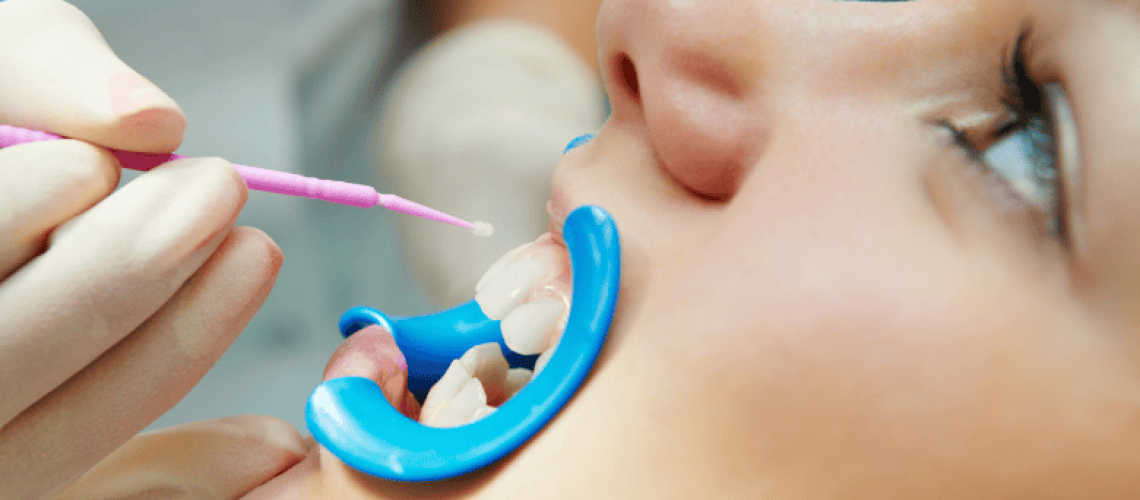
The chewing surfaces of the teeth, usually the molars, are covered with a thin protective coating called dental sealants. Their primary purpose is enamel protection and tooth decay prevention, especially in children. However, nowadays, even adults are considering dental sealants to manage their oral health, particularly for sensitive teeth.
Sealants work by preventing bacteria from growing in deep grooves and crevices. Modern materials, such as BPA-free dental materials and glass ionomer sealants, are used that release fluoride for added cavity protection. Many dentists in Tacoma and nearby areas recommend sealants as a component of non-invasive dental treatments to enhance molar protection and overall oral health.
Understanding Tooth Sensitivity
Tooth sensitivity can interfere with your everyday activities, as normal as savoring a hot meal in Puyallup or sipping a cold drink on a hot day in Tacoma. Understanding the underlying cause of this discomfort is the first step in providing effective care to address the issue. Here are all the common factors discussed in detail:
Causes of sensitive teeth can be different for everyone:
- Exposed dentin from gum recession
- Worn enamel from grinding or acidic foods
- Micro-cracks in teeth
- Recent dental work or whitening procedures
When enamel thins or the dentin is exposed, the nerves inside the tooth become much more sensitive to pressure and temperature changes. Patients frequently seek a sealant application for sensitive teeth in the hope that it will prevent these triggers, but do dental sealants help with sensitivity? Let’s find out!
Can Dental Sealants Help Sensitive Teeth?
In some cases, yes, dental sealants help with sensitivity, as applying a sealant for tooth pain relief creates a barrier over exposed nerves that reduces irritation. This can provide temporary or, in some cases, even long-lasting relief, especially when it is paired with fluoride treatments.
Here is how sealants work for sensitivity:
- Barrier Function – Sealants physically block stimuli from reaching dentin.
- Fluoride Release – Materials like glass ionomer sealants strengthen enamel over time.
- Preventing Further Damage – Sealing grooves minimizes future decay, a common cause of sensitivity.
So, are sealants good for sensitive teeth? They can be, especially for those who are not severely damaged and only have mild or moderate sensitivity. For some people, sealing teeth provides protection against sensitivity as a cost-effective, non-invasive dental treatment.
When Sealants Might Not Be Ideal for Sensitive Teeth
Despite all the benefits, there are situations where sealants may not deliver the results patients expect. Despite their benefits, sealants are not ideal for everyone. Some patients experience sensitivity even after sealants, especially if the underlying cause is not addressed.
Possible drawbacks of sealants not working for your sensitive teeth can be:
- Dental sealant side effects may include minor irritation or allergic reactions to the materials used.
- Ineffectiveness for advanced issues, such as large cavities or severe gum recession.
- Temporary relief without addressing underlying issues, such as exposed dentin, can be ineffective.
Dental bonding vs. sealants may be a better choice in cases of complex sensitivity. Dental bonding provides stronger and more aesthetically pleasing results as it completely covers the exposed surface with resin. In these situations, a professional, especially from a credible firm like Meridian South Family Dentistry, first assesses and determines whether combining treatments or exploring other options will provide a more lasting result.
Alternatives or Complements to Sealants for Sensitivity
Not all sensitive proofs react the same way to the sealants. According to the leading cosmetic dentists in Graham, it is essential to explore alternative options to find the ideal solution for long-lasting relief. Here are a few of the most popular options to consider:
1. Fluoride Treatments
These treatments work by strengthening enamel and reducing nerve response. This creates a barrier to keep triggers at bay. For better outcomes and overall cavity prevention, they are frequently combined with sealants.
2. Dental Bonding vs Sealants
In comparison to sealants, bonding covers a larger portion of the body, making it ideal for cases of severe sensitivity. Additionally, it offers a more aesthetically pleasing finish and provides long-term relief from dental sensitivity.
3. BPA-Free Dental Materials
BPA-free dental materials are specifically designed for patients with allergies or other health concerns. They provide durability and enamel protection, all the while reducing possible reactions.
4. Glass Ionomer Sealants
Top cosmetic dentists in Puyallup reveal that these sealants strengthen the teeth and provide dual benefits, including cavity protection and sensitivity management, as they release fluoride over time.
5. Non-Invasive Dental Treatments
Treatments such as desensitizing gels, varnishes, and oral hygiene products for sensitive teeth offer gentle methods for maintaining oral health. These treatments are designed for individuals seeking gradual relief without the need for invasive procedures.
Finding the right combination of treatments can help ensure maximal relief while also preserving long-term dental health. A professional evaluation can also help determine which approach or mix of options works best for your needs.
What Dentists Recommend
Our cosmetic dentists in Graham, Puyallup, Tacoma, and nearby areas at Meridian South Family Dentistry strive to provide customized solutions that address each patient’s unique lifestyle and dental health goals. Our strategy combines knowledge with an understanding of how daily habits in Pierce County affect oral health.
- Comprehensive Evaluation – Assess gum health, enamel, and bite to identify causes of sensitive teeth.
- Layered Solutions – Combine sealant application for sensitive teeth with fluoride treatments and simple care tips.
- Monitor and Adjust – Address sensitive teeth after sealants through regular checkups and updates.
- Material Selection – Choose BPA-free dental materials or glass ionomer sealants for safer, stronger results.
- Personalized Recommendations – Explore dental bonding vs sealants, mouthguards, or other non-invasive dental treatments as needed.
Our dentists help patients achieve significant and long-lasting relief from dental sensitivity by combining modern techniques with a customized approach.
Finding the Right Solution for Sensitive Teeth
Understanding the causes of tooth sensitivity and selecting an appropriate treatment that suits your needs are essential steps in managing it. This blog has explored how dental sealants for sensitive teeth, their benefits, potential risks, and alternatives, such as dental bonding versus sealants or fluoride treatments, can play a role in long-term dental sensitivity relief.
At Meridian South Family Dentistry, our cosmetic dentists in Graham, Puyallup, Tacoma, and the surrounding areas combine advanced techniques with a personalized approach to deliver exceptional results. From sealant application for sensitive teeth to BPA-free dental materials, glass ionomer sealants, and other non-invasive dental treatments, we provide care tailored to your lifestyle and oral health goals.
Ready to protect your smile and ease your discomfort? Call us today at 253 847-4388 to schedule an appointment with our dentist in Tacoma or the Puyallup team. Discover effective solutions for sealing teeth against sensitivity, enamel protection, and oral health for sensitive teeth that last.